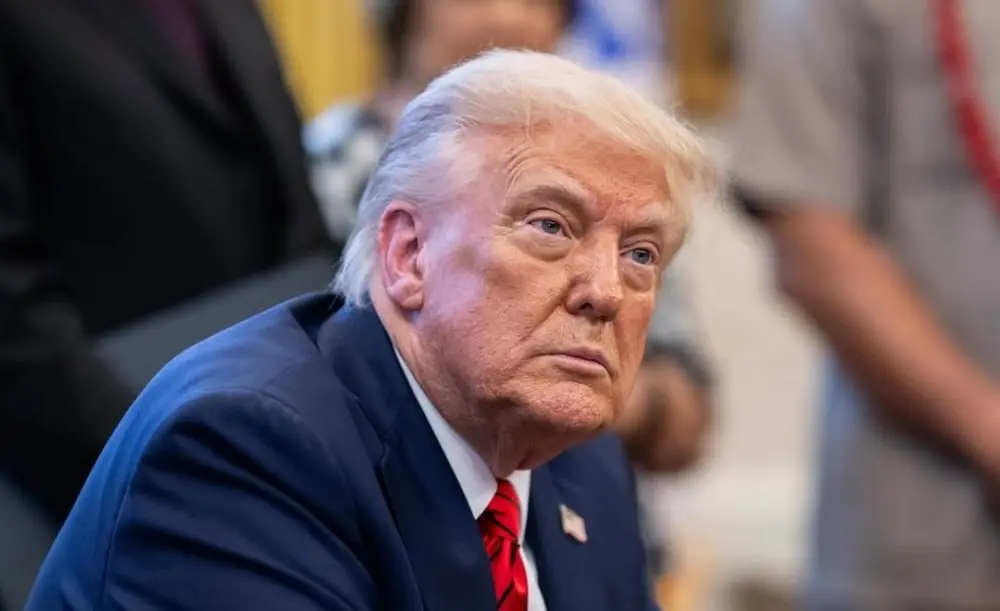
President Trump is going after the biggest names in banking. He says they have crossed the line by shutting down accounts based on political views. In his words, conservatives are being “debanked,” denied basic access to financial services for simply being who they are.
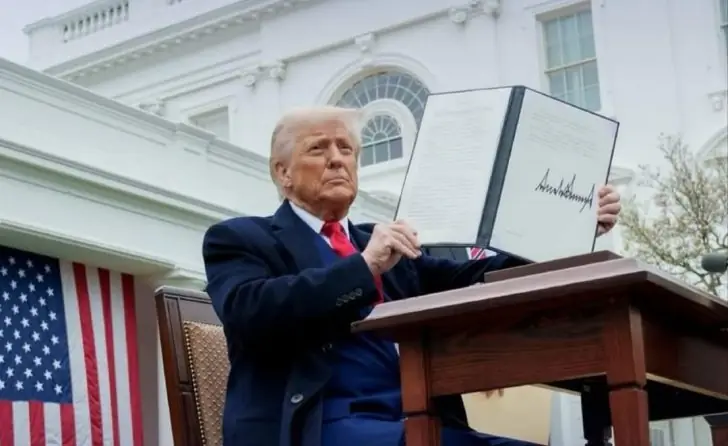
On August 7, 2025, Trump signed an executive order to take action. He claims JPMorgan and Bank of America unfairly targeted him and others, and now he’s demanding answers. His move could change how banks treat customers across the board.
The president says JPMorgan told him to shut down his account, which he claims had hundreds of millions in it, with only 20 days’ notice. After leaving office, Bank of America’s CEO allegedly refused to open a new account for him at all, setting off alarms.
In response, Trump issued a sweeping executive order. It tells federal regulators to investigate banks accused of kicking out customers based on political or religious beliefs.
However, the push isn’t just coming from the White House. Rep. Andy Barr of Kentucky is backing him up in Congress with the Fair Access to Banking Act. The bill would make Trump’s executive order law and stop banks from denying service based on someone’s beliefs.
Banks are pushing back. JPMorgan says it doesn’t close accounts over politics. Bank of America also says it doesn’t judge customers by their views. Still, both banks support clearer rules. They want to avoid the drama and be sure they are playing by the book.
Debanking Has a Long History
This is not something new. Conservatives have long claimed they’re being frozen out of the financial system. Gun makers, crypto startups, and religious charities have stories of accounts being shut down with little warning or explanation. It is a pattern that’s hard to ignore.
A lot of it started during the Obama years with something called Operation Chokepoint. That program told banks to stay away from “high-risk” businesses like payday lenders and gun shops. Critics say it opened the door to politically motivated decisions.
If a business raises red flags, such as fraud, money laundering, or compliance issues, it is shut down. It is not about politics, they say. It is about safety.
Still, banks admit the rules can be vague. Some say they have been pressured by regulators to drop clients just to avoid headlines. That is why many in the industry quietly support Trump’s call to remove “reputational risk” from the playbook. They want clarity.
What This Means for Everyday Americans
If Trump’s order sticks, it could protect people from losing their bank accounts just because of their views. That is a win for anyone who has been shut out without cause. But it might also make banks slower to act when a customer really does pose a risk.
Now, regulators have to take a closer look. If they find banks crossed the line, they’ll send cases to the Justice Department. That could mean lawsuits, fines, or even criminal charges. The spotlight is on, and banks know it.
Crypto firms have had a tough time with banks. Many say they have been treated like criminals just for existing. That is why the crypto world is cheering Trump’s order. They think it will open doors and boost innovation.