Have you ever walked into a store to buy a single item and left with an overflowing shopping cart? If so, you’ve likely been caught in the intricate web of retail psychology.
Shopping destinations, whether brick-and-mortar stores or online platforms, are masterful in employing a range of tactics to entice you into making more purchases than you initially intended. From store layouts to strategic displays, let’s delve into retail psychology and uncover the tricks shopping places use to make you buy more.
Alluring Store Layouts
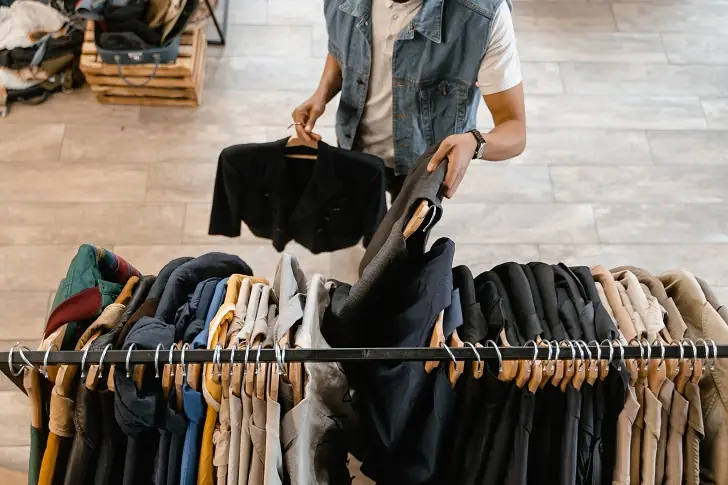
The layout of a store is meticulously designed to guide your shopping journey. Often, essentials like milk and eggs are positioned at the back of the store, forcing you to navigate through aisles filled with tempting products. This layout technique, known as the “decompression zone,” is intended to calm you upon entering and give way to more mindful shopping once you’re inside.
The Power of Product Placement
Eye-catching displays and strategic product placement play a pivotal role in driving purchases. Items placed at eye level or on end caps—those displays at the end of aisles—are more likely to capture your attention and prompt impulse buying. These displays often feature items that offer higher profit margins or are part of ongoing promotions.
Limited-Time Offers
The fear of missing out (FOMO) is a potent psychological trigger that retailers exploit to encourage purchases. Limited-time offers, flash sales, and time-bound deals create a sense of urgency, compelling you to make a swift decision to avoid regret. The perceived value of an item increases when it’s accompanied by a countdown clock, pushing you to add it to your cart sooner rather than later.
Price Psychology
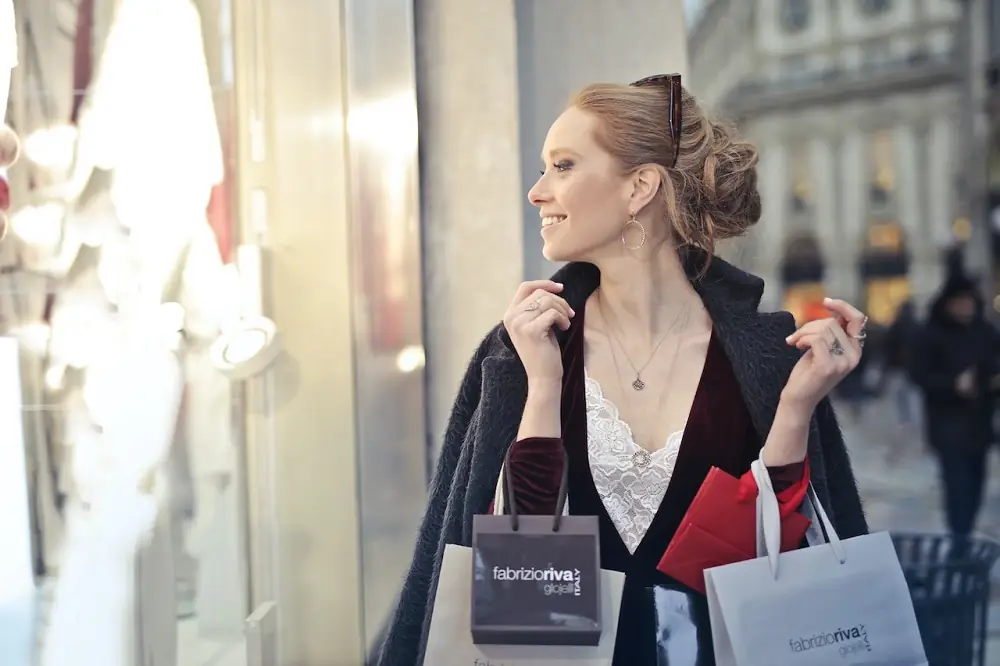
The way prices are displayed can influence your perception of value. Retailers often use the “charm pricing” strategy, where prices are set just below a round number (e.g., $9.99 instead of $10.00).
This technique creates the illusion of a significant discount and appeals to your desire to get a deal. Similarly, “anchoring” involves placing a high-priced item next to a lower-priced item, making the latter appear more affordable.
Shopping Carts and Baskets
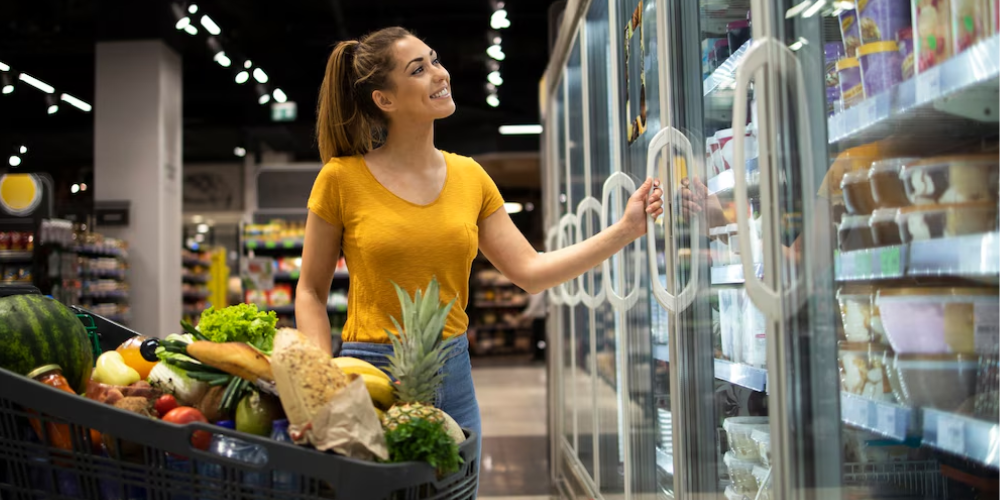
Ever wondered why shopping carts are larger than necessary or why baskets are offered at the entrance? These tools are strategically sized to encourage you to buy more. The space in your cart or basket subconsciously signals that you haven’t reached your shopping limit yet, making it easier to justify adding more items.
Aroma Marketing
Have you ever been drawn to a bakery section by the irresistible scent of freshly baked goods? Retailers leverage aroma marketing to create a pleasant shopping environment that stimulates your senses. The smell of certain products can evoke emotions and trigger cravings, making you more likely to add those items to your cart.
Cross-Merchandising
Cross-merchandising involves placing complementary products near one another. For example, placing pasta sauce near the pasta aisle or displaying batteries next to electronic gadgets encourages you to purchase items that complement your intended purchase. This technique increases the likelihood of impulse buying as you visualize how these items could enhance your life.