The idea of being rich used to feel simple. You pictured a big house, a luxury car, and a bank account that never ran dry. That picture still exists, but it no longer tells the full story. In 2026, wealth has become more layered, more personal, and a lot more uneven across the world.
People still chase numbers, but those numbers now come with context. Where you live, how you earn, and how stable your money is all shape what “rich” actually means. The shift is clear, and it is changing how people think about money and success.
Global Wealth Inequality Is More Extreme Than Ever
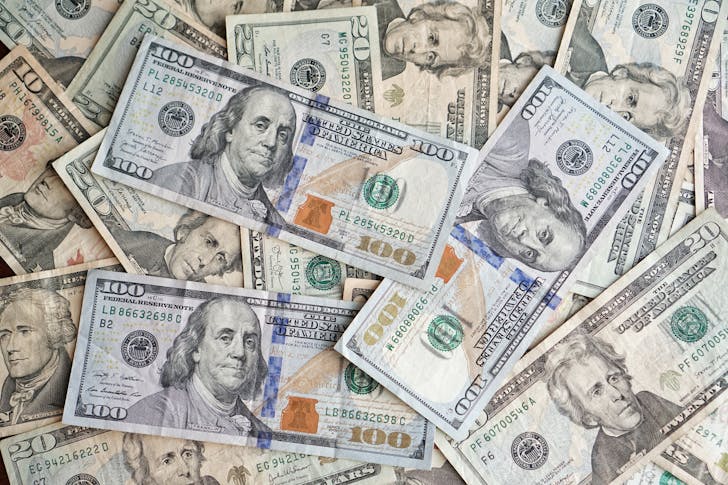
Dave / Pexels / Globally, the richest 10% of people now control about 75% of all private wealth, which is a huge slice of the pie. They also earn more than half of all income worldwide.
At the very top sits a tiny group, the top 0.001%. This group includes fewer than 60,000 people, yet their wealth is nearly triple that of the bottom 50% of the world. That bottom half includes more than 4 billion adults, which makes the imbalance hard to ignore.
The difference in average wealth tells the same story in simpler terms. A person in the bottom half has about 6,500 euros to their name. Someone in that ultra-rich group has close to 1 billion euros on average, which feels like a completely different universe.
This gap has grown fast over time. Back in 1995, the ultra-rich held about 4% of global wealth. Today, they hold more than 6%, and that increase happened in just a few decades.
What Counts as ‘Rich’ in the U.S.?
In the U.S., wealth tends to come with clear lines. To be in the top 10%, you’re usually looking at an income of at least $210,000 or a net worth somewhere around $1.8 million. That number has risen quite a bit—about 24% since 2019—largely because of higher home prices and strong stock market returns.
The top 1% is in a completely different league. Getting there means having a net worth of roughly $11.6 million and earning around $659,000 a year. It shows that being “rich” isn’t one fixed level—it’s more like climbing steps that get further apart as you go up.
Age makes a noticeable difference. Someone under 35 can break into the top 10% with about $372,000 in net worth. It’s still a big number, but much more within reach compared to later stages of life.
Once people hit their mid-50s or early 60s, expectations rise sharply. At that point, it takes close to $3 million to be in that same top group. Time, earnings, and investments all build on each other.
Where you live matters too. In the Midwest, around $1.7 million might be enough. In the West, you’re often looking at over $2 million, simply because costs are higher.
Net Worth Alone No Longer Defines Wealth

Karola / Pexels / Even with millions in assets, someone can feel financially stretched if that wealth isn’t producing a steady income.
Wealth today is about more than what you own—it’s also about what you earn consistently.
Income flow provides stability, covering both routine expenses and unexpected costs.
This is why two people with identical wealth on paper can have very different lifestyles. One may rely on income-generating investments, while the other depends on a single source of earnings.
Business owners illustrate this well. Their company may be worth millions, but their financial security can still hinge on how that business performs in real time.