Healthcare costs are climbing again, and American workers are paying the price. A new report from healthcare consulting firm Milliman shows that people with employer-sponsored insurance will face some of the sharpest cost increases seen since the COVID-19 pandemic.
The average healthcare cost for one person with job-based insurance is expected to hit $8,460 in 2026. That marks a 7.9% jump from the previous year, or an extra $622 out of pocket. Other industry forecasts point to the same trend, with total employee health benefit costs expected to rise between 6.5% and 10% next year.
The increase is moving faster than inflation and wage growth. Family insurance premiums rose 6% in 2025, while inflation sat at 2.7%. Wages only grew by 4%, which means healthcare expenses are swallowing a bigger share of workers’ paychecks.
For many families, this pressure is already changing daily spending habits. People are cutting back on vacations, skipping restaurant meals, and delaying major purchases just to keep up with medical bills and insurance premiums.
Prescription Drug Costs are Fueling the Crisis
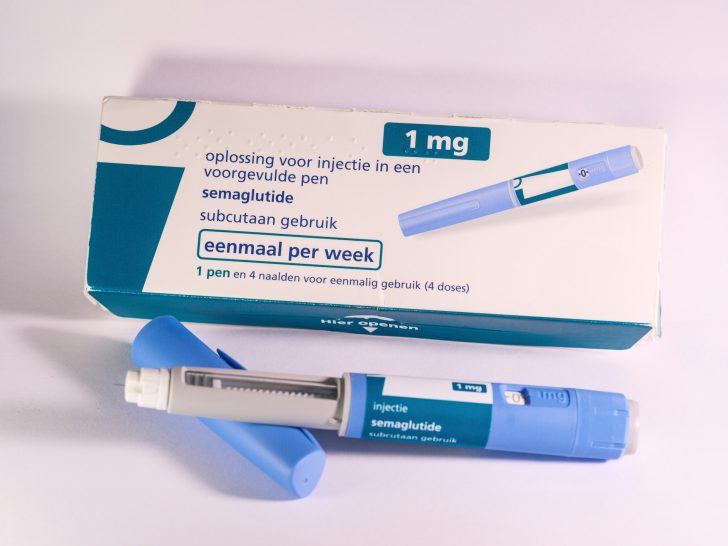
Haber / Unsplash / Pharmacy costs are projected to jump nearly 15% year over year. This makes it the fastest-growing healthcare expense in the country.
Much of the increase comes from popular GLP-1 medications used for weight loss and diabetes treatment. Drugs like Wegovy and Zepbound can cost more than $1,000 each month before insurance discounts. Demand for these medications has exploded, and employers are struggling to absorb the cost.
These drugs now account for more than 20% of all prescription drug claims spending. That number alone shows how quickly healthcare budgets are shifting. Employers and insurance companies are scrambling to figure out how to manage the demand without pushing premiums even higher.
Specialty drugs are also adding pressure. Expensive treatments for cancer, autoimmune diseases, and gene therapies now make up more than half of all prescription drug spending. These medications often require long-term care and specialized treatment centers, which drives costs even higher.
Andrew Timcheck, a consulting actuary at Milliman, said pharmacy spending has been rising for years. What makes 2026 different is the speed of the increase. Costs are accelerating much faster than many employers expected.
Hospital Consolidation is Driving Prices Higher
Another major factor is the growing control hospital systems have over healthcare services. More doctors are leaving independent practices and joining large hospital networks. That shift changes how care is delivered and how much patients end up paying.
Hospital-owned practices often send patients to services within their own network. Those services usually cost more than independent clinics or smaller providers. Patients may not notice the difference immediately, but the higher charges eventually show up in insurance premiums and medical bills.
Between 2005 and 2024, inpatient hospital stays dropped by 5%. At the same time, outpatient visits jumped by 44%. Outpatient facilities now represent one of the most expensive parts of healthcare spending in 2026.
Specialty treatments add another layer to the problem. Advanced cancer therapies and cell treatments are often delivered in outpatient hospital settings. Patients are paying not only for the medication itself, but also for the costly facility fees attached to the visit.
Workers are Paying More Out of Their Own Pockets

RDNE / Pexel / As healthcare expenses rise, employers are shifting more of the burden onto workers. Companies are still covering most healthcare costs, but their share continues shrinking year after year.
Back in 2005, employers paid about 61% of employee healthcare costs. By 2026, that number is expected to fall to 58%. Meanwhile, workers are taking on a larger portion through higher premiums, deductibles, and co-pays.
Employee contributions to insurance premiums have already increased by six percentage points since 2005. A separate 2025 report from Aon found that the average worker spent $4,920 on healthcare costs, including premiums and out-of-pocket expenses. That figure is expected to pass $5,000 in 2026.